

 Discover the range It’s finally here! Essential Haircare has had a makeover













Hair reset: why deep cleansing will transform your hair game
Have you ever got to a point where you feel like your hair just isn’t quite clean enough, even just after you’ve washed it? Perhaps your locks are looking a bit dull, or your favourite product isn’t having its usual effect.
If you can’t work out what’s going wrong, it might be that you simply need to press the reset button with a deep cleanse that clarifies the hair, banishing residue, purifying the scalp and leaving you looking as good as new.
In this article, we’ll look at why deep cleansing is so important, why regular shampoo isn’t enough, and how to choose the right products - like Essential Haircare’s SOLU/ range.

Product buildup and environmental stressors
If you took a look at a strand of your hair under a powerful microscope, you might be surprised by what you saw. All sorts of elements build up on the shaft, from natural oils and dead skin cells to products like conditioners and leave-in styling agents, and even hard water minerals.
Environmental pollutants play their part too. Smoke and dirt from the air is a particular culprit, especially if you live in a built up area. But there are others too, like pollen, sand or salt from ocean air.
As these build up on the hair they can change the way the hair reflects light, making it appear dull. The added weight can cause limpness too, reducing the hair’s volume. In some cases, buildup might even irritate the scalp, which in turn can lead to problems such as flaky skin.
Why regular shampoo isn't enough
Shampoos designed for regular use tend to be on the gentler side and don’t have the strength needed to strip away stubborn buildup. That’s why it’s important to occasionally swap your usual product for a deep cleanse, detox or clarifying one and press the reset button on your hair’s health.
Your hair's ultimate detox
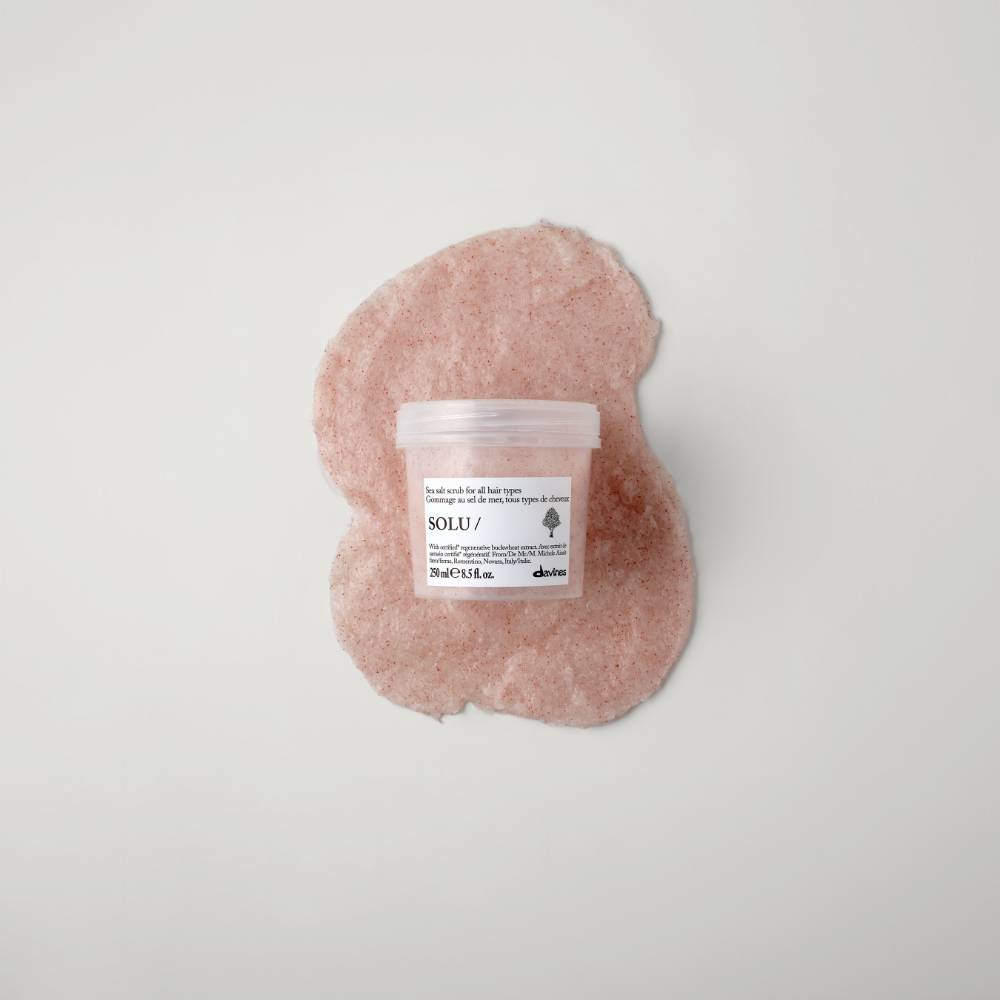
A deep cleansing treatment involves using a dedicated clarifying shampoo, which has stronger cleaning agents - known as surfactants - that are able to deal with stubborn buildup on the hair shaft, including minerals and heavy oils. In this way, they are different from regular shampoos and also from scalp scrubs, which are more focused on the skin than the hair shaft.
Deep cleansing and purifying shampoos not only have slightly stronger cleansing agents, they tend to also have one or more added extras that regular shampoos don’t. For example, they may include chelators to remove minerals, anti-pollution agents to break down environmental films, or mild solvents to help lift oils or waxes.
Why your hair needs a deep cleanse
There’s nothing like the squeaky clean feel you get after a hair reset from a good clarifying treatment. Here are some of the benefits you may notice if you give it a try:
Restored shine and vibrancyBuild up can cause the surface of the hair to become rough, making it appear dull. Once removed, hair becomes smoother and able to reflect light as it should, returning natural shine.
Increased volume and bounce
Freed from the weight of residue such as metallic particles and airborne pollutants, your hair will become lighter and will naturally gain volume and movement.
Improved product effectiveness
Haircare products such as conditioners, treatments and styling products designed to penetrate the hair become much more effective without hair residue blocking their way.
Better scalp health
A scalp with clogged follicles thanks to pollutants and buildup is not a healthy scalp. By removing these elements, you’ll find your skin is less irritated and more able to self regulate.
Enhanced colour clarity
For colour treated hair, buildup can create a film that dulls the colour, so removing it will naturally brighten your chosen shade and make it even more vibrant.
Who needs a deep cleanse and how often?
Everyone can benefit from a clarifying treatment every now and then. But there are some people who might need them more frequently and some moments in particular when they might be most needed.
If you regularly use a large number of products such as dry shampoos, gels, sprays and leave-in conditioners, then you’re likely to need a shampoo to remove buildup more often. The same goes if you live in a hardwater area, if you swim regularly in chlorinated or salt water, or if your hair and scalp are prone to greasiness.
As for how often to use a deep cleansing shampoo, it really depends on your hair type, individual needs and circumstances. What you don’t want to do is overuse clarifying products as this can strip the hair and leave it vulnerable to damage, so always check with your salon stylist if you’re unsure what’s best for you.
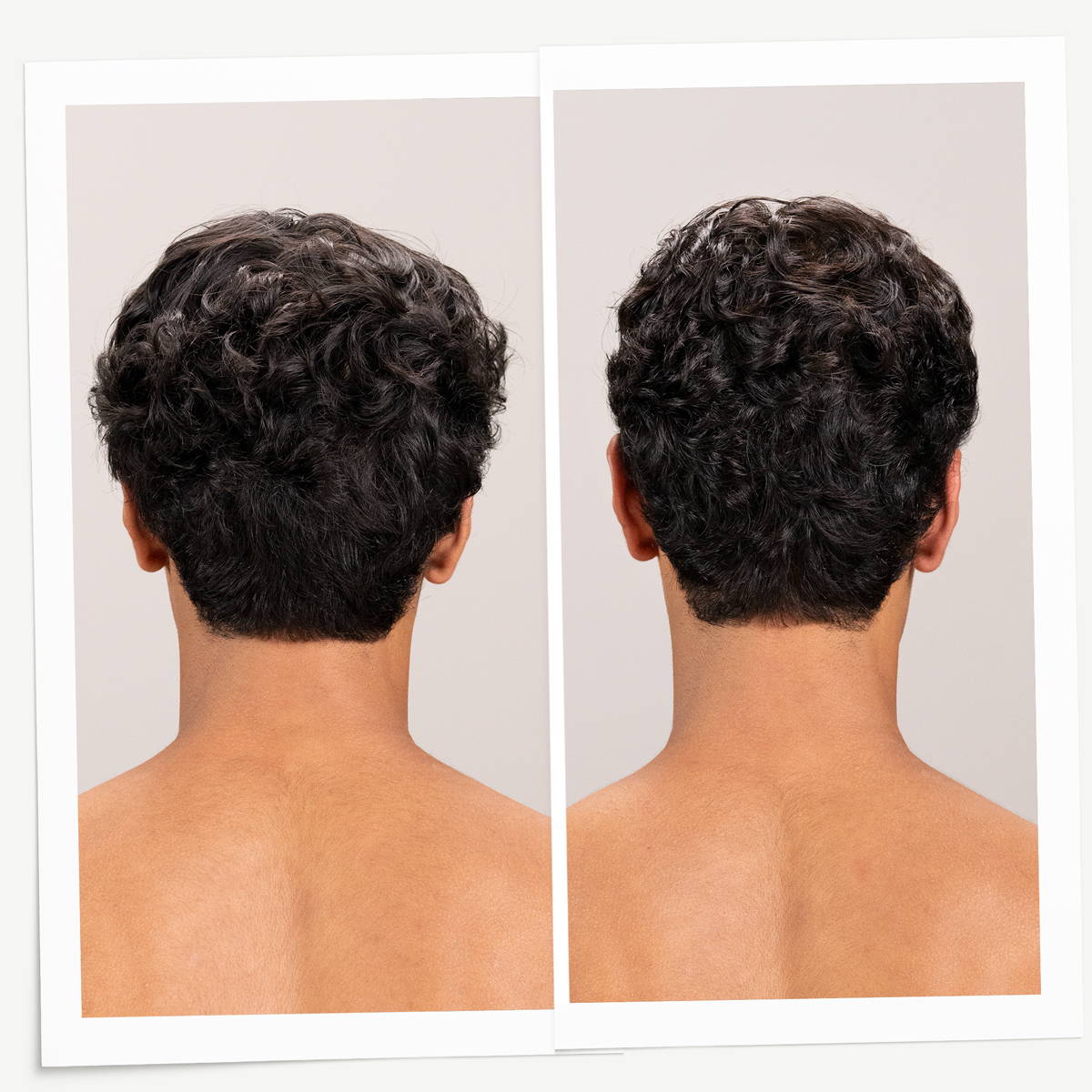

Choosing the right clarifying shampoo
We’ve already looked at the different types of ingredients that can tackle various elements of a clarifying process, such as chelators, anti-pollution agents and mild solvents. Look at product’s benefits to see whether it’s suitable for your hair.
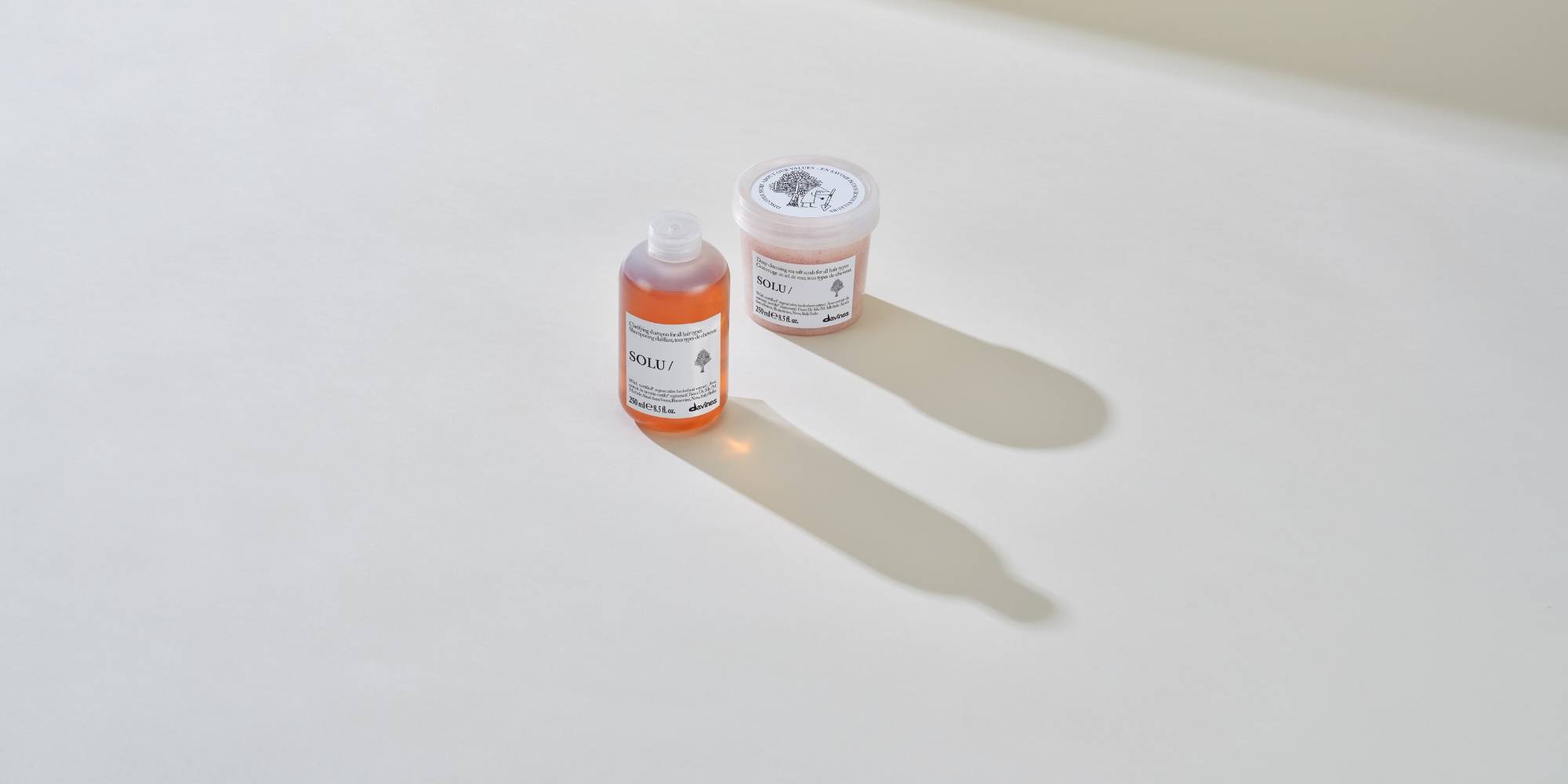
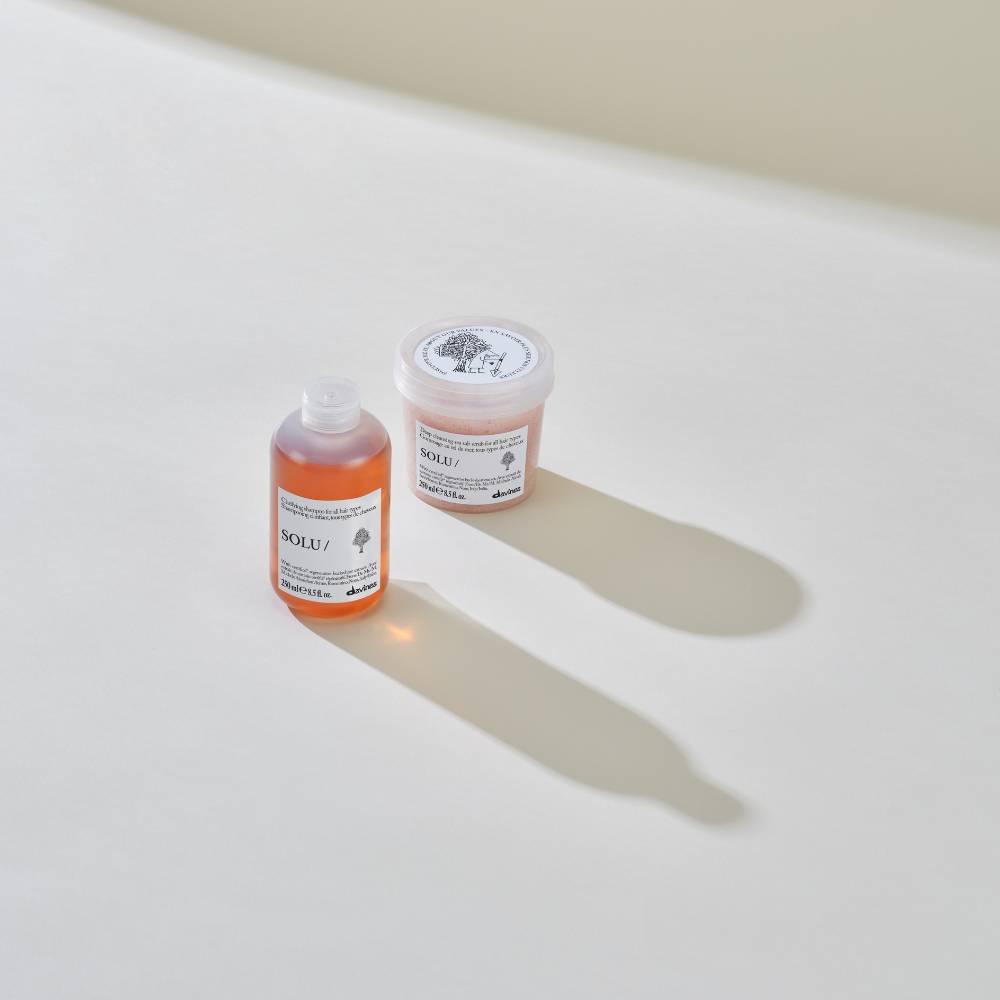
Essential Haircare SOLU/ shampoo is a clarifying shampoo for all hair types, and is particularly effective as an urban anti-pollutant, washing away metals from the hair shaft¹.
Its active ingredient is Regenerative Organic Certified™ Buckwheat extract², which contains antioxidants to help protect hair, as well as polysaccharides that lock in moisture and shield hair from dryness, damage and breakage.
¹Ex vivo test conducted on hair locks exposed to a solution containing Nickel, Cadmium and Lead and washed with SOLU/ shampoo or SOLU/ sea salt scrub vs. control. The three metals are representative of pollutants commonly found in polluted urban air.
²Sourced from Regenerative Organic Certified™ farms
Deep cleansing mistakes to avoid
A good clarifying shampoo can do wonders for your hair - but it’s important to follow a few important guidelines of how to clarify hair to get the best results.
Don’t over cleanse
Using a clarifying treatment too often can strip not just buildup but the hair’s natural defenses too, leaving it vulnerable.
Always use conditioner
It might feel counterintuitive to add more product when you’re trying to remove buildup, but conditioning is an important step in clarifying as it helps keep hair hydrated.
Don’t be too rough
Your clarifying shampoo may be stronger than your average shampoo but that doesn’t mean you should be rough with your hair - aim for a gentle message and let the product do its work.
Always rinse thoroughly
Although designed to remove product buildup, a clarifying shampoo is itself a product so rinse thoroughly to avoid leaving a residue that will counter its clarifying effect.
Be mindful of your hair type
As with most haircare advice, you’ll need to tailor it to your own hair. How often you use a clarifying shampoo will depend on a number of factors, from how naturally oily your hair is to how many products you usually use and how often.
If you’d like tailored advice to suit your hair needs, visit your nearest Davines salon to speak to one of our experts!
Read more!

Hair reset: why deep cleansing will transform your hair game Have you ever got to a point where you feel...
Curly hair myths and facts: what's true and what's not? Hair can be curly or it can be straight -...
Behind the Scenes: Davines at Vogue World Milano 2026 Behind every look, a story of craftsmanship and human expression. Vogue...