

 Discover the range It’s finally here! Essential Haircare has had a makeover












Daily wash dilemma: should you shampoo every day?
Washing your hair and scalp is as important as washing the rest of your body. But should you shampoo every day? And if not, how many times a week should you wash your hair? The answer begins in understanding a bit about the science behind what you’re washing and why.
Let’s start with the scalp, which is essentially the skin that sits below your hair on your head, including the layers below the epidermis, the outermost layer that we see. Like other skin on your body, it gets dirty due to all sorts of factors, from sweat and dead skin cells to product build up and environmental pollutants.
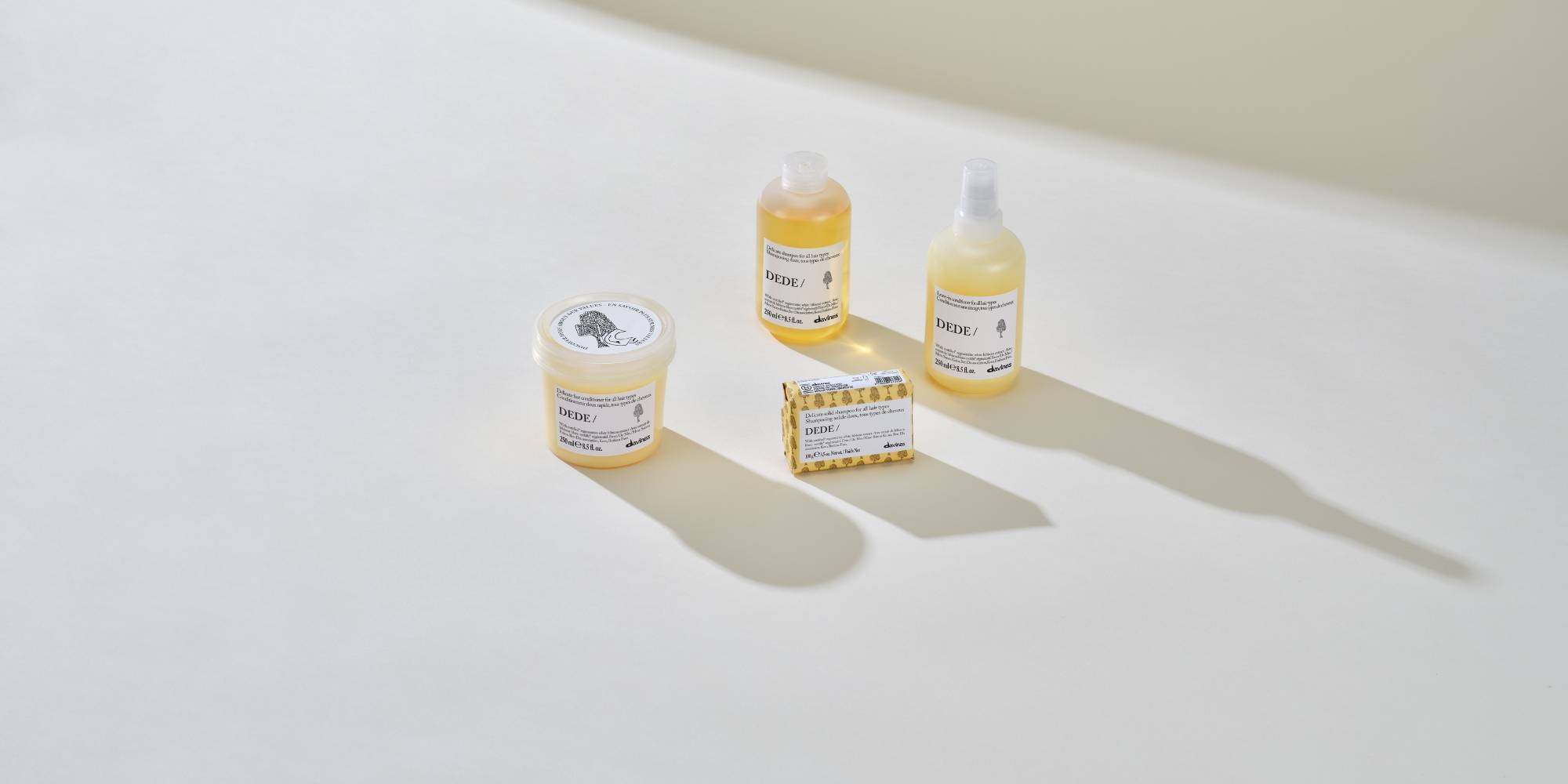
This means it needs regular cleaning with a suitable set of products, such as Essential Haircare’s DEDE/ range.

The role of sebum
Skin also produces sebum, a type of oil that keeps our skin naturally moisturised. There are sebaceous glands over most of the most, but there is a particularly large concentration on the scalp.
Sebum is good for the hair in many ways, acting as a natural conditioner and helping to repel water. However, excess sebum is what causes hair to look greasy, and it can also cause scalp problems such as clogged follicles and dandruff.
The scalp microbiome
One other reason you need sebum is that it helps support a healthy scalp biome, or microbiota. The scalp biome is the collection and balance of good bacteria, fungi and mites that work together to support the skin barrier and protect against harmful pathogens. It also prevents inflammation, which keeps the hair follicles healthy.
The balance of the scalp biome can be upset by changes in sebum, both the amount and the composition. These changes can be caused by hormones, age, stress and climate, as well as by the products you use to wash your hair.
While sebum build up can cause problems, harsh shampoos and over washing hair can strip both the hair and the scalp of sebum, leaving it vulnerable and exposed. Without enough sebum, the scalp can become dry, weakened and even irritated, causing itching and flaking, as well as leading to brittle hair.
What shampoo does
At its simplest, shampoo cleans the hair and scalp. To explain a little further, shampoo contains surfactants, cleansing agents with a molecular structure that allows them to attach to both oil and dirt particles and to water. This means they form tiny droplets that capture oil and dirt, which are then washed away when you rinse your hair.
Which surfactant is used will depend on the product you choose. These days, well-formulated shampoos are much gentler than their predecessors but there is still a huge range available, with some being harsher than others.
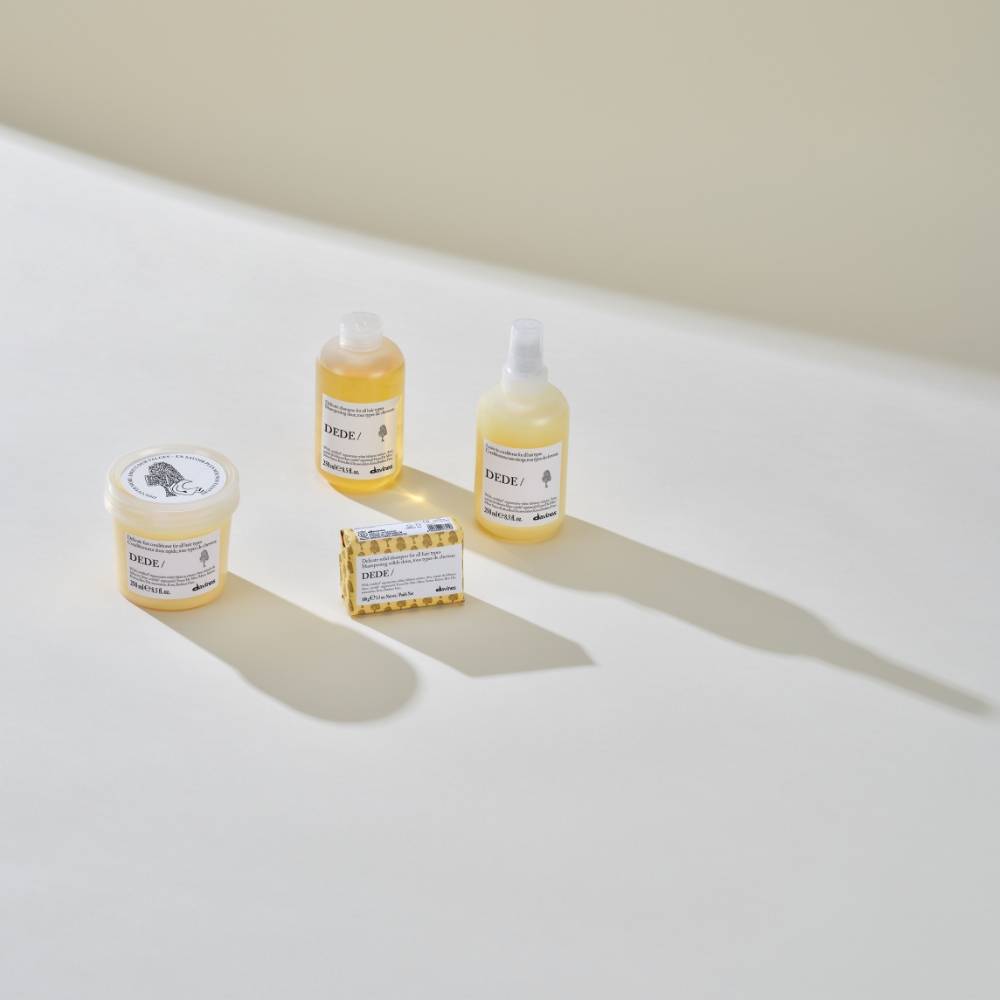
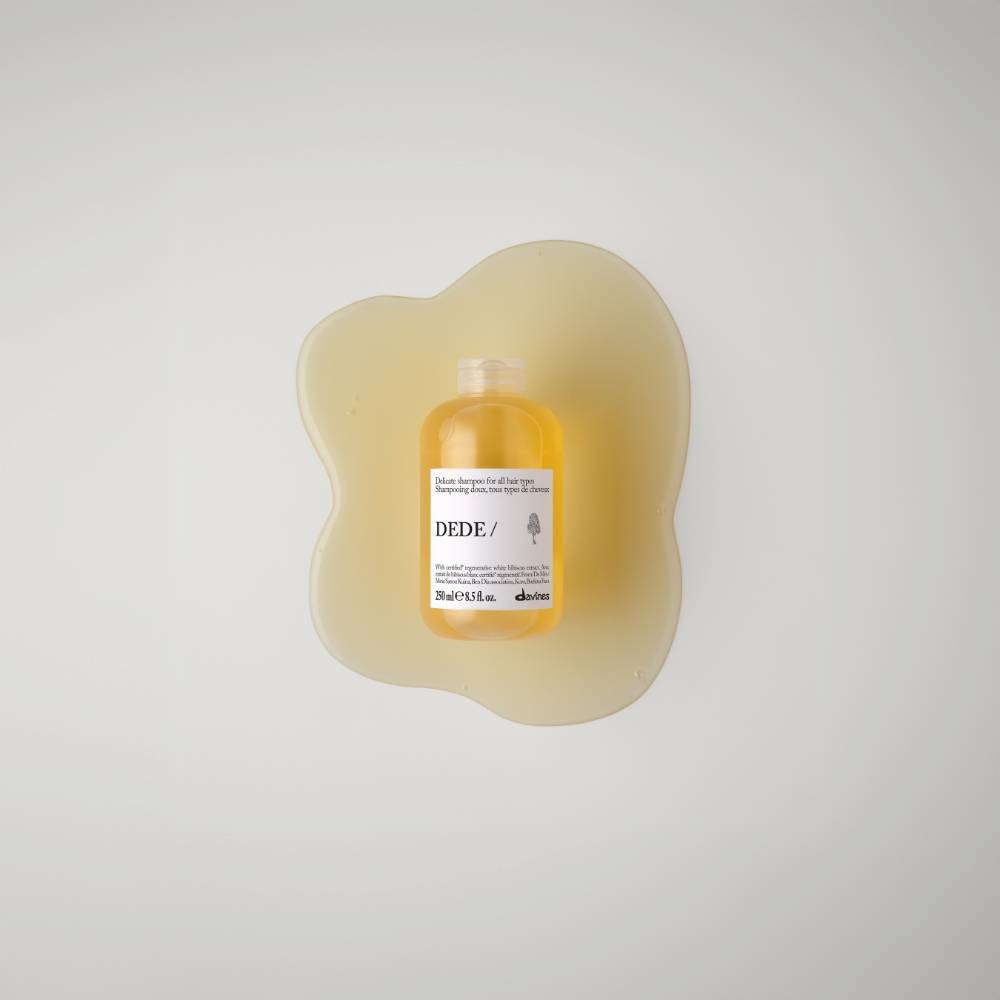
If you do wash daily, it’s best to choose a range dedicated to daily use, such as Essential Haircare’s DEDE/ family. DEDE, which features Regenerative Organic Certified™ White hibiscus extract¹ from Mrs. Sanou Kuina, Ben Dia association, Koro, Burkina Faso, is formulated to keep hair resilient and healthy-looking. It includes a shampoo or shampoo bar, conditioner and lightweight detangling spray.
¹Sourced from Regenerative Organic Certified™ farms
The case for daily hair washing: the "pro-wash" perspective
We’ve learned that stripping away too much sebum can leave your hair and scalp exposed. So does that mean you should avoid daily washing? Not necessarily. There are circumstances where more frequent washing can be beneficial.
For example, if you have a naturally oily scalp, then your scalp will need help to manage greasiness and prevent clogged follicles. Or if your hair is naturally fine, excess oil travelling down the hair shaft can make your hair look limp, which will necessitate more frequent washing.
Likewise, if you have an active lifestyle and exercise frequently, or live in a humid environment, which can increase sweat and oil production, you might need to wash your hair more often in order to feel clean and fresh.
The case for less frequent washing: the "anti-wash" argument
Having said that some people will benefit from washing their hair frequently or even daily, there are definitely times when this will cause problems.
As we’ve seen, daily shampooing can strip hair of its natural oils, leading to dryness, dullness and brittleness, which increases the risk of breakage and split ends. Overwashing can also lead to a dry, itchy scalp by disrupting the balance of the scalp biome, and can cause hair colour to fade more quickly.
There are several circumstances in which you might want to consider reducing the frequency of washing:
If you have thick, coarse or curly hair
Thick, coarse or curly hair is often drier than most because it takes longer for sebum to travel down the twists and turns or texture of the hair shaft. This means there is less need to wash frequently since the hair doesn’t look greasy as quickly. In fact, less frequent washing helps to preserve moisture and prevent hair becoming frizzy or rough.
If you have dry or damaged hair
If your hair is naturally dry then avoid daily washing to prevent further moisture loss. Hair that has been damaged by heat, mechanical stress such as overbrushing, or chemical treatment such as colouring or perming may also be drier due to the cuticles being damaged. Again, avoid overwashing, which can create further damage.
If you have aging hair
As we age, our scalps naturally tend to produce less oil, so daily washing may no longer be necessary. Our hair also tends to become thinner over time, meaning that stripping the hair through overwashing can lead to hair that is lifeless, frizzy and less manageable.
Hair washing myths busted
There is a lot of confusion around how often to wash hair, and some explanations lead to confusion or misunderstandings. Here are some common questions our salon experts are asked and the answers that will help you make good choices for your hair and scalp:
Is washing my hair daily the best way to stay hygienic?
Daily washing isn’t necessary for hygiene in the majority of cases. However, if you exercise daily or you spend a lot of time in environments where you’re likely to attract more dirt and pollutants - such as a busy city - you might want to cleanse your hair and scalp more frequently.
Does shampooing daily cause hair loss?
No, daily shampooing does not directly cause hair loss. Hair loss can be caused by a number of factors such as genetics, hormones, medical and nutritional deficiencies but shampooing only causes natural shedding. This is the natural loss of hair in its shedding phase, rather than new hairs.
Is shampooing twice always necessary?
Although it’s not essential, experts often recommend shampooing twice. As the scalp gets more dirty than the hair, the first shampoo should focus on the scalp and the second on both scalp and hair. However, if the hair and scalp are not particularly dirty, one wash will be enough.
Is it only people with oily scalps that need to wash frequently?
No. Although people with naturally oily scalps are among the group of people who can benefit from more frequent washing, there are others too. For example, people who exercise regularly and those who live in humid environments may also want to shampoo more often, to get rid of excess sweat.
Does daily washing prevent hair growth?
No, daily washing does not prevent hair growth. Although overwashing can dry the scalp and even irritate it, it does not stop new hair growing. That’s because hair growth begins below the surface of the scalp in the follicles, rather than the surface of the hair shaft.

Shampoo frequency: a personalised journey
By now you should feel more confident about how to have healthy-looking hair and a healthy scalp. Washing frequency is a very personalised decision and depends on a number of factors such as genetics, your environment and your activities throughout a given day or week.
Because of this and the fact that sebum production and your scalp biome changes as you age and through different circumstances, you may well have to adjust the frequency of your hair washing at different points in your life.
Just make sure that whatever frequency you choose, you use a suitable shampoo that suits your hair needs and is not so harsh that it strips your hair and scalp of the natural oils that help keep it safe and healthy-looking.
If you’d like tailored advice to suit your hair needs, visit your nearest Davines salon to speak to one of our experts!
Read more!
Hair reset: why deep cleansing will transform your hair game Have you ever got to a point where you feel...
Curly hair myths and facts: what's true and what's not? Hair can be curly or it can be straight -...
Behind the Scenes: Davines at Vogue World Milano 2026 Behind every look, a story of craftsmanship and human expression. Vogue...