

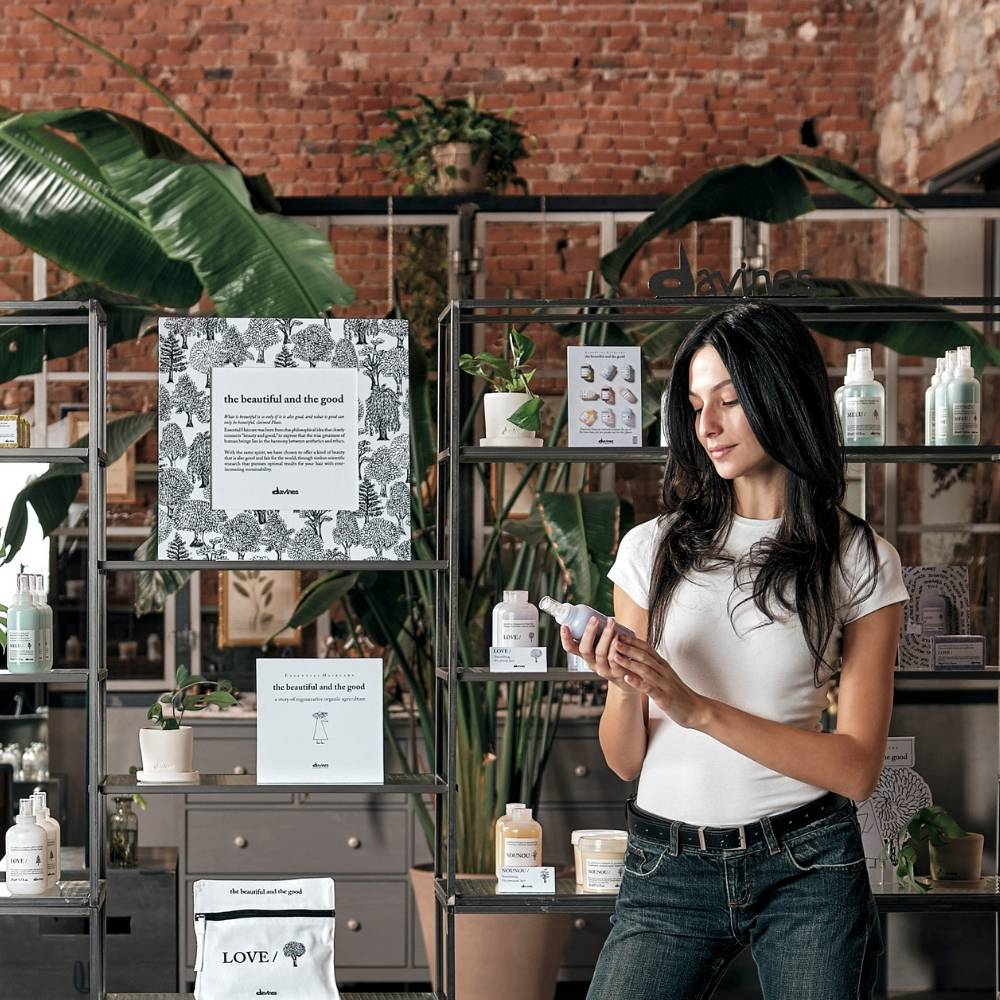
 Discover the range It’s finally here! Essential Haircare has had a makeover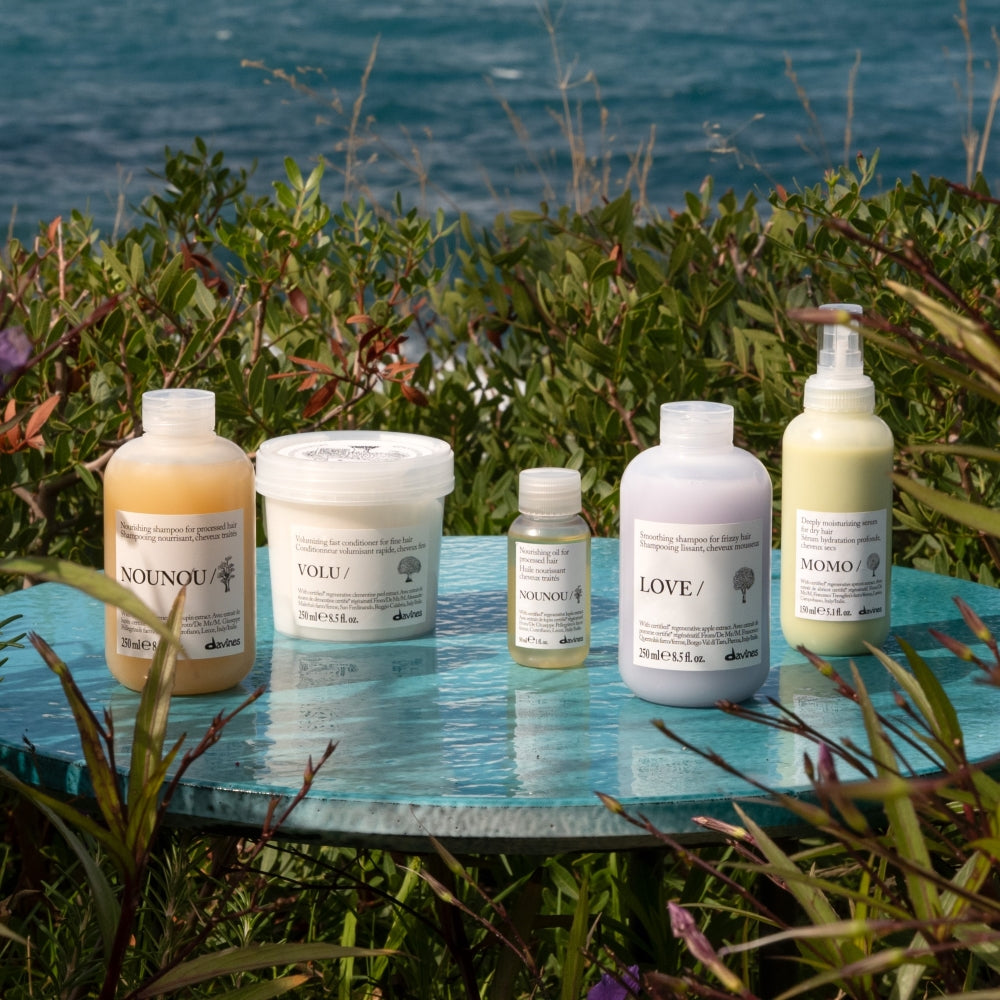











SUSTAINABILITY
Decoding hair product labels: a consumer's guide to ingredients and claims
With so much information available to us about the ingredients found in hair care products and the impact they can have, it should be easier than ever to make good choices - for ourselves and for the planet.
But decoding hair product labels isn’t easy. Ingredient lists can be complex and marketing claims confusing, making it difficult to know what you’re buying. In this guide, we’ll look at how to read cosmetic labels so you can make better, more informed choices for yourself, and for the planet.
What is the INCI List and how can I use it?
To make decoding ingredient lists easier, in 1973 an American trade association created a set of rules about how companies talk about their products, called the International Nomenclature of Cosmetic Ingredients or INCI.
Under this system, ingredients are listed in order of quantity from highest to lowest, with any under 1% listed in any order at the end. All ingredients are given standard names so that no matter what country you’re in, you know what you’re getting. For example, botanical ingredients use Latin names, while chemical ingredients use scientific or standardised names. In some countries, using the INCI list is required by law.
By looking at a product’s INCI list you can find out which ingredients it includes. This is especially helpful when it comes to avoiding ingredients that you might be sensitive or allergic to.
Common ingredient categories
Many ingredients found in hair care products can be grouped into one of a handful of categories:
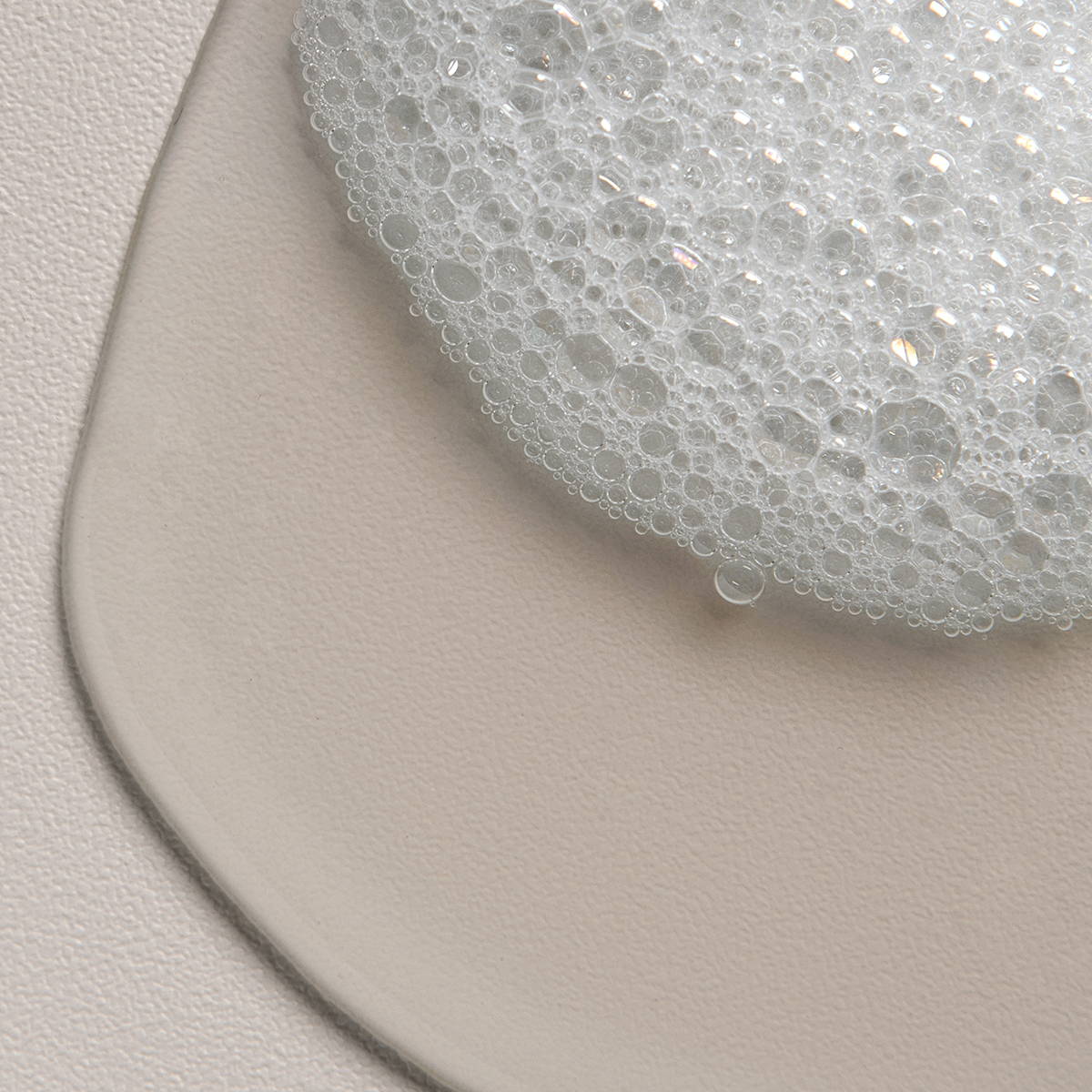
Surfactants: these cleansing molecules, derived from synthetic or natural sources, create a foam when mixed with water, and lift oils, buildup and impurities from the hair and scalp. Harsh ones can leave your hair feeling ‘stripped’ and irritate sensitive scalps if used too much. Milder, biodegradable surfactants are better for both scalp health and sustainability.
Humectantsare often used in leave-in products like conditioners and styling creams because they attract and retain moisture. This helps keep hair hydrated and soft, preventing dryness and brittleness. Common humectants include sorbitol, glycerin and even plants extracts.
Proteins: for strengthening or repairing damaged hair, many products use proteins, which can temporarily fill cracks in the hair’s cuticle layer, reducing breakage and split ends and improving shine and smoothness.
Preservatives: water-based or emulsified products need to include preservatives to stop bacteria, mold or fungi growing, and keep products safe. We select preservatives based on their compatibility with our formulas, their ability to ensure the stability and safety of the product, and their high tolerability.
Fragrancescan be synthetic, natural, or essential oil-based, are typically used in small amounts and regulated for safety.
Understanding ‘free from’ claims
Some products claim to be ‘free from’ certain ingredients - for example, they might say they are sulfate-free, paraben-free, silicone-free, or phthalate-free.
Although regulation means that these claims must be true, saying something is free of a particular ingredient doesn’t necessarily make it safer or more sustainable. Sometimes the removed ingredient is replaced with an alternative that may have similar effects.
It’s also important to remember that removing an ingredient can change its efficacy unless the formulation achieves those results in a different way.
Meet Essential Haircare
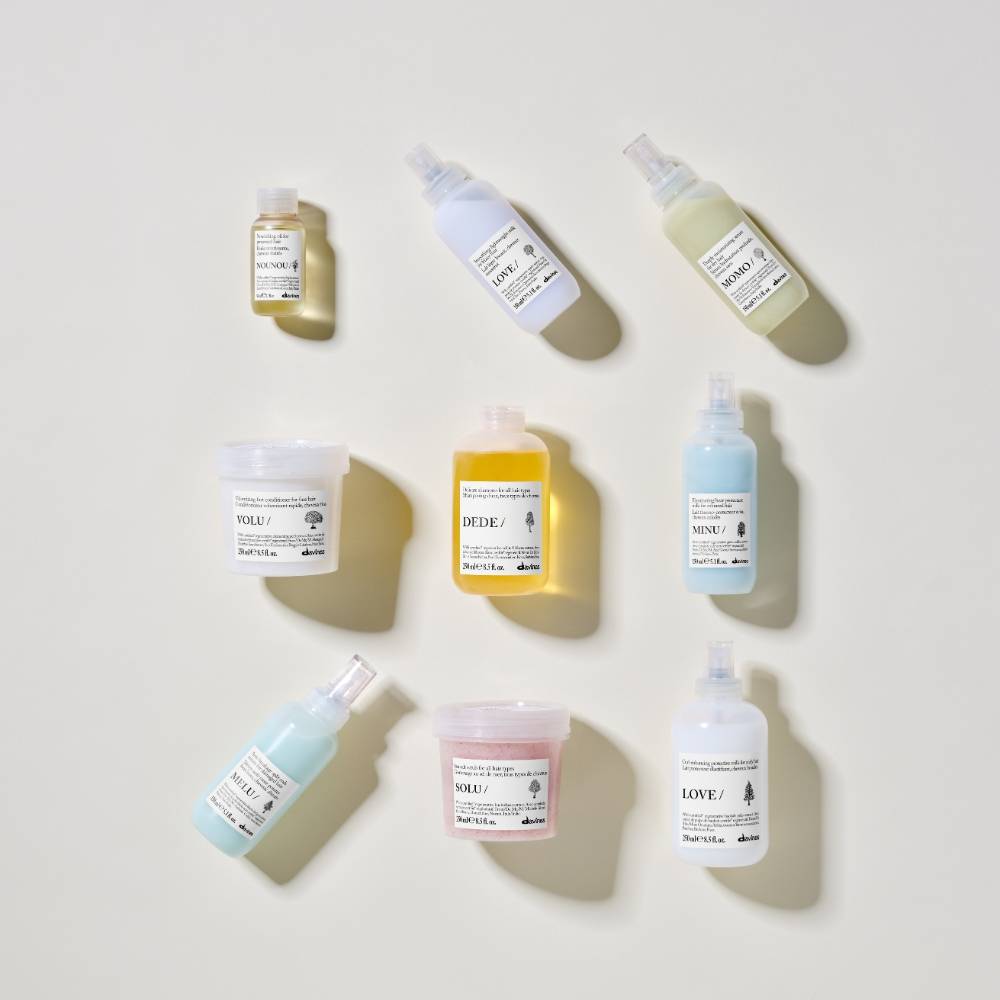
The evolved Essential Haircare range is even more essential than ever, stripping out what is unnecessary and using naturally derived ingredients and high-performance biopolymers wherever possible to deliver both greater sustainability and even better performance.
Navigating fragrance
Fragrance is an important element of hair care products for many people. These fragrances can either be synthetic - which are created in a lab and can in some cases be designed to avoid containing certain common sensitisers - or natural, in other words derived from essential oils or plant extracts.
The fragrances for the evolved Essential Haircare range are now even more refined, high-performing and sustainable, with an enhanced average biodegradability of 92%¹.
¹Calculated as the sum of readily biodegradable ingredients according to the OECD 301 method
Certifications and standards
A number of third-party certifications and standards have been created to regulate products and make it easier for you to understand what you’re buying.
ISO 16128 - natural ingredients is a technical standard rather than a certification, and one that Davines is progressively aligning to. It defines a product as natural if at least 50% of the molecular content comes from natural sources. Natural hair products will often state the exact percentage of naturality.
OECD 301 - biodegradability defines how biodegradable ingredients are, and covers six methods that can be used to screen whether a substance counts as biodegradable. An ingredient is considered readily biodegradable when it is degraded by at least 70% within 28 days.
Regenerative Organic Certified™ ingredientsare those sourced from farms practicing regenerative organic agriculture, which not only protects but improves soil health and ecosystems. These practices also care for animals, for example through the Five Freedoms of Animal Welfare, and farmers, making fair wages and working conditions a priority. Learn more about ROA
Veganhair products are those that contain no animal derived ingredients- including ones like honey, beeswax, or lanolin (sourced from sheep’s wool). Most Davines products use carefully selected alternatives to animal-derived ingredients, making them suitable for vegans. A limited number still contain animal-derived ingredients, which we are progressively phasing out.
Cruelty-free:to qualify as cruelty-free, products and ingredients should not be tested on animals. In the EU, all cosmetic ingredients cannot be tested on animals as standard. Learn how Davines stays cruelty-free
The B Corp certification process requires companies to be assessed by B Lab and reach a certain standard across seven key areas: Purpose and Stakeholder Governance; Fair Work; Justice, Equity, Diversity, & Inclusion (JEDI); Human Rights; Climate Action; Environmental Stewardship and Circularity; Government Affairs and Collective Action. More about our B Corp journey
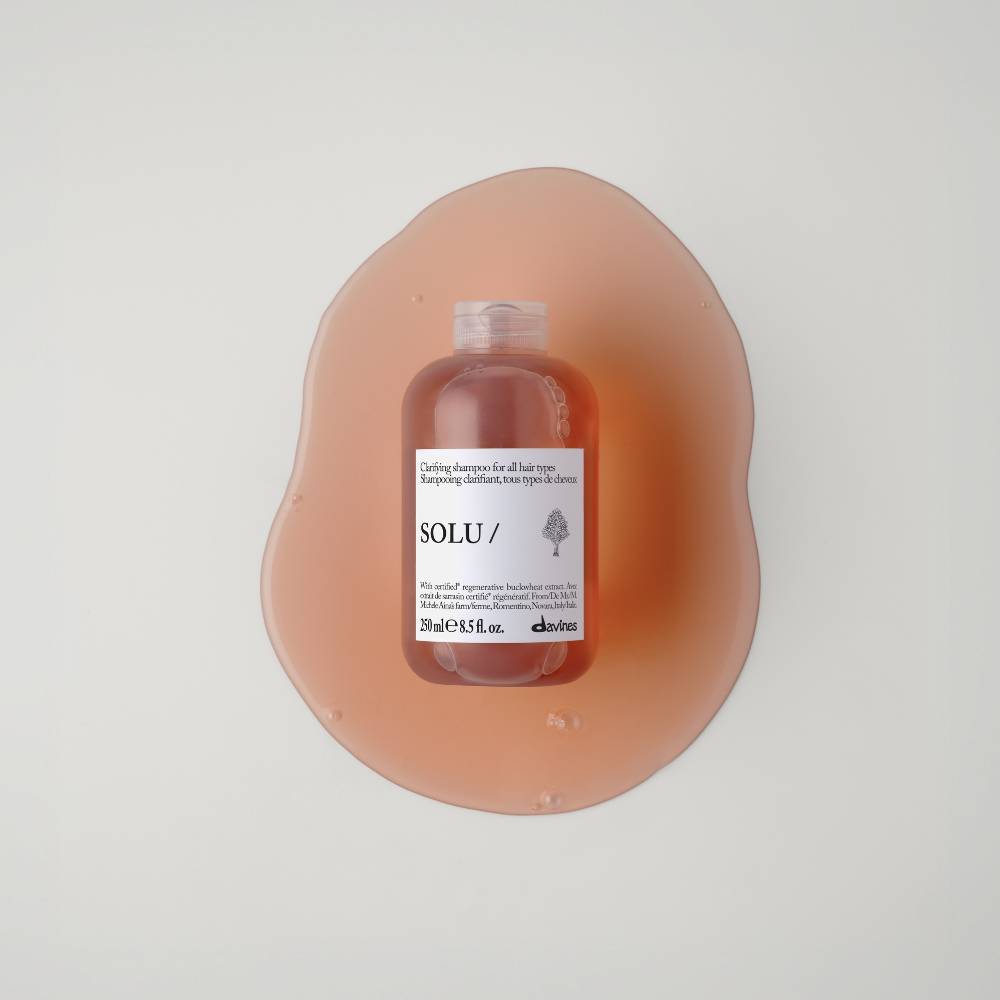
Be aware of definitions
While the way that manufacturers can describe products is regulated, marketers might use loopholes to give an impression that is different from the reality. In general, be skeptical of vague claims such as ‘green’, ‘eco-friendly’ or even ‘natural’.
Always check ingredients lists to check whether there are any that you might be allergic to, and be aware of definitions.
You’re all set to make better choices
There’s no denying that understanding hair product labels and ingredients is complex. But many brands, like Davines, are working hard to ensure that information is presented clearly so that you can find what you’re looking for.
With the information you’ve learned in this article, you’ll be much better placed to identify beneficial ingredients, avoid potentially harmful ones, and make better choices for yourself and for the planet.
And if you’re ever in doubt, your nearest Davines salon will always be willing to provide expert guidance.
Read more!
Your Guide to Overnight Hair and Scalp Serums and Their Benefits Learn how these formulas can support your nightly hair...

How To Align Your Hair Treatments With Your Hair Growth Cycles Understanding your hair growth cycle is one of the...
Daily wash dilemma: should you shampoo every day? Washing your hair and scalp is as important as washing the rest...